how much protein should you consume on keto How much protein should i eat on keto to build muscle
Protein is one of the most important macronutrients that our body needs to stay strong and healthy. It is essential for building and repairing tissues, producing enzymes and hormones, maintaining healthy skin, hair, and nails, and much more. However, when it comes to following a ketogenic diet, too much protein can be bad for ketosis. Let’s explore why. First, let’s define what a ketogenic diet is. A ketogenic diet is a high-fat, low-carb, and moderate-protein diet that aims to put your body into a metabolic state called ketosis. In this state, your body burns fat for fuel instead of glucose, which is the primary source of energy in a standard American diet. To achieve ketosis, you need to restrict your carb intake to 20-50 grams per day and increase your fat intake to 70-80% of your daily caloric intake. However, when it comes to protein, the recommended intake varies depending on your goals, gender, age, and activity level. According to various studies, consuming too much protein on a ketogenic diet can lead to several issues. One of the main problems is that excess protein can be converted to glucose through a process called gluconeogenesis. This means that your body might start producing sugar from protein, which can kick you out of ketosis and put you back into a carb-burning mode. Moreover, excessive protein intake can increase your insulin levels, which is the hormone that regulates blood sugar. High insulin levels can prevent your body from burning fat and make it harder to lose weight. So, how much protein should you consume on a ketogenic diet? The answer depends on several factors, including your weight, height, body composition, and fitness goals. Generally, the recommended range is 0.6-1.0 grams of protein per pound of lean body mass per day. For example, if you weigh 150 pounds and have 20% body fat, your lean body mass would be around 120 pounds. Therefore, you should aim to consume around 72-120 grams of protein per day to maintain muscle mass and support your metabolic processes. However, keep in mind that protein quality and source also matter. Not all protein sources are created equal, and some might be more beneficial than others. For instance, animal-based protein sources like meat, fish, and eggs are usually more nutrient-dense and contain higher amounts of essential amino acids, vitamins, and minerals. On the other hand, plant-based protein sources like beans, legumes, and nuts might be lower in quality and less bioavailable. Therefore, you should choose high-quality protein sources that fit your preferences and dietary restrictions. In conclusion, consuming too much protein can be bad for ketosis, but that doesn’t mean you should avoid it altogether. Protein is essential for our health, and we need to consume it in adequate amounts to support our body’s functions. The key is to find the right balance between fat, protein, and carbs and choose high-quality protein sources that fit your needs. If you have any concerns or questions about your protein intake on a ketogenic diet, consult with a registered dietitian or a healthcare professional who specializes in this area.
If you are searching about How Much Protein Should You Consume Daily? - DrJockers.com | Bone you’ve came to the right web. We have 5 Images about How Much Protein Should You Consume Daily? - DrJockers.com | Bone like Pin on Keto, How Much Protein Can You Eat on a Ketogenic Diet | Low carb diet and also How Much Protein Can You Eat on a Ketogenic Diet | Low carb diet. Here it is:
How Much Protein Should You Consume Daily? - DrJockers.com | Bone
 www.pinterest.comPin On Keto
 www.pinterest.comperfectketo
How Much Protein Can You Eat On A Ketogenic Diet | Low Carb Diet
 www.pinterest.comperfectketo
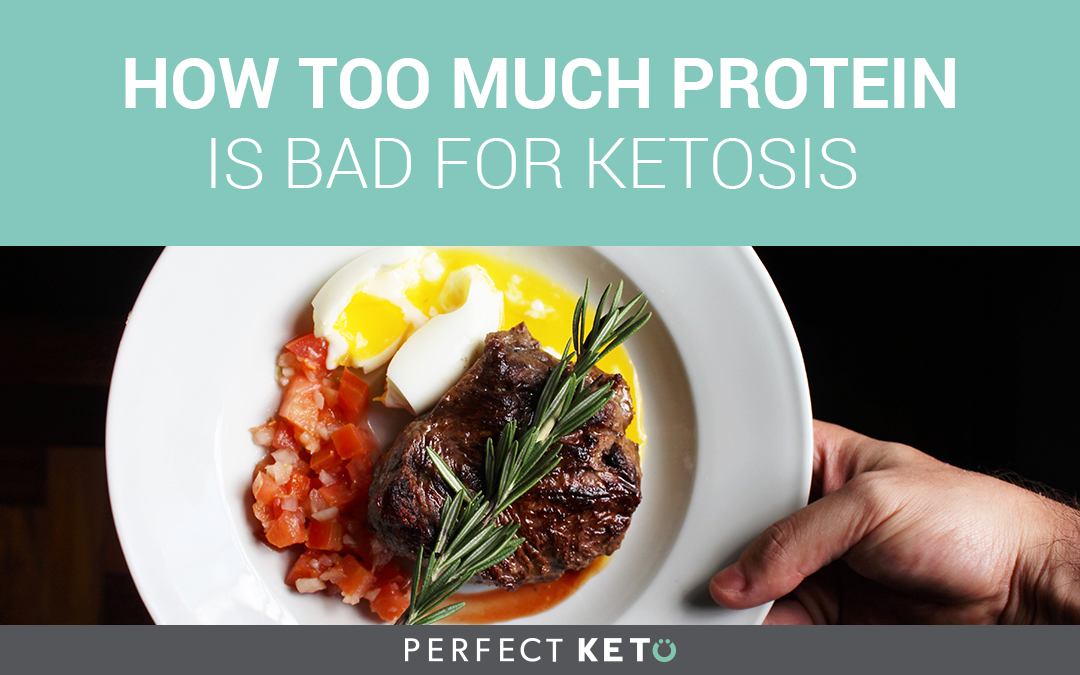
How Too Much Protein Is Bad For Ketosis - Perfect Keto
 www.perfectketo.comHow Much Protein Should I Eat On Keto To Build Muscle - WHCUM
